
Global tech giants are investing billions into Southeast Asia to keep up with the growing demand for cloud services and AI. Malaysia has moved to the front of the line. In recent years, the country has pulled in commitments worth tens of billions from names like Google, Microsoft, and AWS. For data centre investors in Malaysia, this signals that the nation offers a practical mix of location, policy support, and room to grow. The market, valued at around $4 billion in 2024, is on track to hit $13.5 billion by 2030.
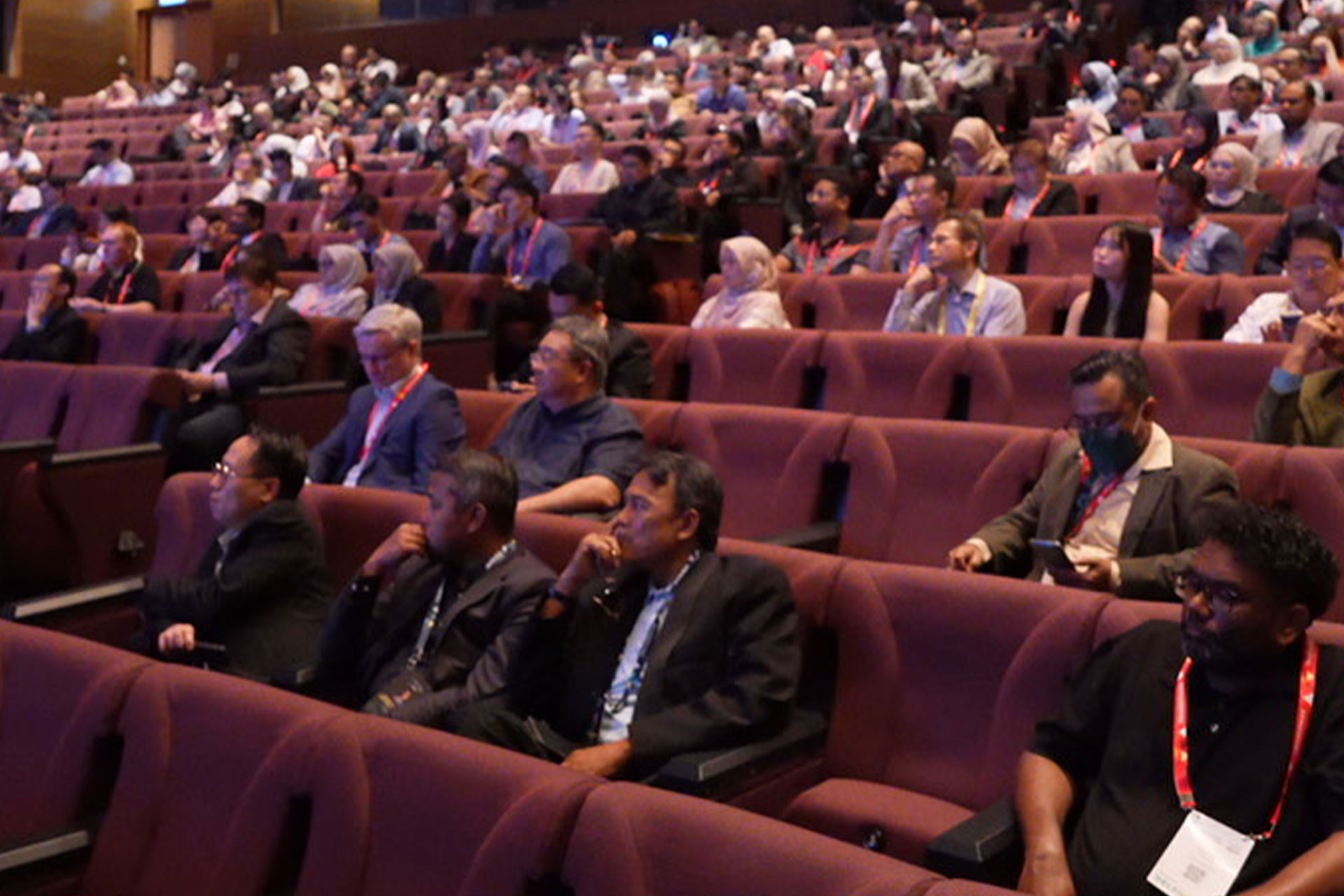
Datacenter investment in Malaysia is accelerating because the fundamentals align. Land is available, power deals are being signed, and the government is clearing the path. The upcoming Datacentre & Cloud Infrastructure Expo – DCCI Malaysia – brings investors, operators, and policymakers together to convert plans into real projects. This article walks through exactly why the country now sits high on global priority lists.
Malaysia sits right in the middle of ASEAN, minutes from Singapore and connected to the world’s busiest submarine cable routes. That means low-latency access to the entire region’s growing digital economy. Investors do not have to choose between cost and connectivity; they get both.
Policy direction has been consistent. The MyDIGITAL blueprint and schemes run by MIDA and the Ministry of Digital offer tax breaks, fast-track approvals, and clear sustainability targets.
Demand drivers are clear. AI workloads are doubling compute needs every few months. Local businesses and government agencies are shifting to cloud infrastructure. Regional players need compliant, low-cost capacity that meets data-sovereignty rules. Malaysia delivers that without the congestion of mature markets.
Infrastructure growth is visible. Johor has transformed to over a gigawatt of live and planned capacity in just a few years. Cyberjaya and the Klang Valley add stable, established sites. Power purchase agreements for renewables are now routine, and new grid connections are being built to match. Collectively, these factors make datacenter investment in Malaysia a priority.
Experienced data centre investors in Malaysia evaluate six core criteria. First, a strategic location with strong fibre and cable landings. Second, reliable and affordable power with a clear path to renewables. Third, competitive land and construction costs backed by tax relief. Fourth, a local talent pool that can handle operations and maintenance. Fifth, regulatory certainty – fast approvals, stable rules, and real enforcement. Sixth, environmental credibility so projects can meet global ESG standards without endless rework. Malaysia currently meets each criteria, which explains why the pipeline keeps growing.
Johor borders Singapore but offers more land and lower rents. Submarine cables land directly on the coast, cutting latency to regional markets. Investors can serve both the domestic economy and the wider ASEAN bloc from one site.
The Digital Ecosystem Acceleration (DESAC) scheme offers tax allowances and reduced rates tied to sustainability targets. Green Lane approvals speed up everything from land permits to power hook-ups. Recent budget moves have made these incentives even more outcome-focused, rewarding actual local spending and jobs rather than just promises.
Google’s $2 billion project includes its first Malaysian data centre and cloud region. Microsoft is launching three hyperscale facilities in 2025 after committing $2.2 billion. AWS has pledged nearly $6 billion through 2038. The signal is unmistakable – Malaysia is open for serious business.
Power is the make-or-break factor. Malaysia is using the Corporate Renewable Energy Supply Scheme to let operators sign direct long-term contracts with solar and hydro providers. The National Energy Transition Roadmap aims for 70% renewables by 2050, and data centres are being steered toward that goal. New guidelines set clear Power Usage Effectiveness targets for incentive eligibility. Operators who plan ahead can lock in green power and avoid future tariff shocks.
Land and construction costs sit well below Singapore levels. Electricity rates remain competitive when paired with renewable deals. The country already trains thousands of ICT graduates each year, and hyperscaler projects are creating on-the-job pathways. That keeps staffing costs realistic while building local capability fast.
Clear planning guidelines now exist at both the federal and state levels. The Johor-Singapore Special Economic Zone adds extra incentives for cross-border work. Operators know exactly what standards apply for water, power, and security. This transparency cuts risk and shortens the time from board approval to first customer.
No market is risk-free. Energy and water intensity top the list. Data centres can pull massive power and water for cooling, and Johor has already paused some lower-tier approvals until supply improves. The fix is already in motion: stricter efficiency rules, mandatory exploration of reclaimed water and desalination, and penalties for under-utilising reserved power.
Community and environmental pushback can slow projects. Local residents worry about noise, traffic, and higher utility bills. Operators are responding with transparent community funds, noise barriers, and verifiable renewable sourcing.
Grid resilience and construction logistics matter too. Tenaga Nasional has tightened rules so applicants must prove they will actually use 85% of the power they reserve. New transmission lines are being added in key corridors.
Regulatory uncertainty used to be a concern, but recent updates, including sustainable development guidelines and revised incentive criteria, have brought more predictability. Investors who engage early with the Data Centre Task Force and meet the published metrics face fewer surprises.
The Datacentre & Cloud Infrastructure Expo 2026 is designed to address exactly these challenges and opportunities. It delivers practical insights on the latest tools, from AI-driven cooling systems to automated energy management platforms. Attendees hear trending strategies straight from operators who have already scaled in Johor and Cyberjaya.
Real case studies show how hyperscalers and local players have navigated power deals, met PUE targets, and created local jobs. The event also spotlights cutting-edge solutions that help existing facilities upgrade without full rebuilds – liquid cooling retrofits, modular designs, and renewable integration kits. For anyone serious about cloud investment in Malaysia or expanding data center capacity in Malaysia, DCCI Malaysia is the place to test ideas, meet partners, and leave with actionable next steps.
Malaysia has moved from an interesting option to a must-visit destination for data centre investors. The combination of location, policy backing, hyperscaler momentum, and improving sustainability pathways sets it apart. Risks exist, but the mitigation steps are clear and already being implemented.
Whether you are evaluating your first site, scaling an existing portfolio, or looking for partners who understand local realities, DCCI Malaysia is where strategies get refined, and deals get done.