


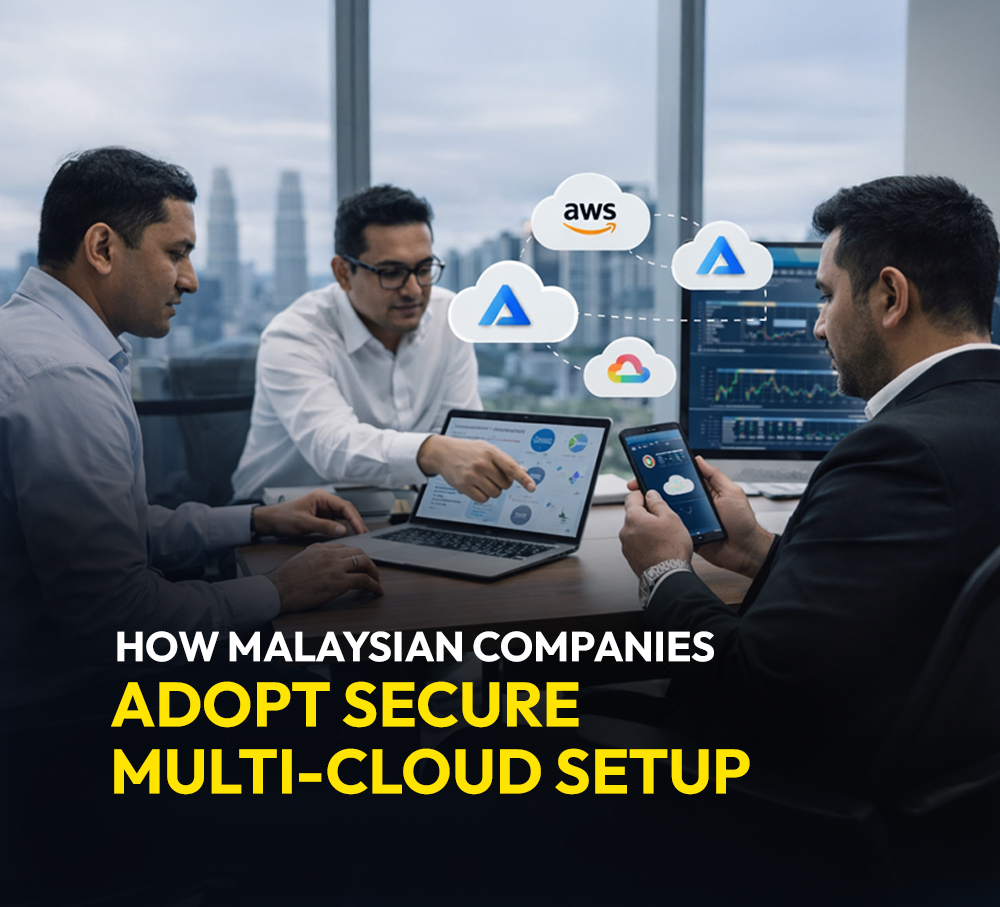
Malaysian companies deal with increasing demands to update their IT systems. At the same time, they must protect important data. A growing number now move workloads across several cloud platforms. This multi-cloud method reduces reliance on any single provider and supports smoother expansion for both large corporations and smaller firms.
Still, the shift carries risks. Poor planning can lead to data exposure or regulatory problems that hurt operations and reputation. Banks, manufacturers, and retailers in Malaysia know this well from past experiences with system upgrades. They prefer careful approaches over quick jumps that leave gaps in protection.
The following sections lay out clear steps that many local businesses actually follow when they decide to make the change. These actions focus on real security needs and practical outcomes that fit the Malaysian context. The process begins with careful checks of what already exists and continues through to steady improvements once everything runs in the new setup. Organizations that stick to this path end up with environments that stay protected and flexible enough for local conditions, such as varying network speeds across regions and strict data rules.
Why Move to Multi-Cloud Environments
Businesses in Malaysia choose multi-cloud setups to stay flexible in a competitive market. They avoid getting tied to one vendor whose services might not cover every need. Teams select the most suitable services for different tasks, such as storage for large files or computing power for analytics.
Key Advantages for Malaysian Businesses
- Downtime drops because workloads can shift between platforms if one faces issues from maintenance or regional disruptions
- Data stays within required locations to satisfy local rules on where information must remain
- Specialised services become available to match sector needs, like high-speed processing for financial transactions
Additional Business Benefits
- Spending becomes more predictable since companies pay only for what they use
- New capabilities arrive faster without long waits for updates
Practical Step 1: Assess Your Current Workload
How to Begin the Assessment
Teams usually start by making a full list of applications, databases, and data collections. They note how each item connects to others and record normal usage levels. Simple tools or even spreadsheets help capture peak times and information movement. Larger organizations sometimes bring in outside experts for deeper reviews.
Important Considerations for Malaysian Companies
Rules in Malaysia shape this early work. Teams examine whether information falls under personal data laws or banking requirements from Bank Negara. They also look at connection speeds needed for users in different parts of the country. Existing contracts, internal skills, and budget limits get reviewed closely.
A complete check at this stage helps avoid later problems. It keeps the whole effort aligned with both daily operations and legal expectations.
Practical Step 2: Choose the Right Cloud Providers
Core Selection Criteria
Companies review providers based on security records, data centre locations inside the region, and clear pricing. They prefer those with strong uptime history and support teams familiar with Malaysian needs. Easy movement of data and smooth links to current systems matter too.
Strategic Decision Factors
Longer-term points also influence decisions. Teams study how well platforms work together in mixed setups. They check future growth options and detailed service agreements. Many run small test projects first to see real results.
This measured selection leads to a combination of clouds that performs reliably. It also respects the specific demands that Malaysian operations face every day.
Practical Step 3: Develop a Secure Migration Plan
Essential Elements of the Plan
Good plans set out clear stages with timelines and assigned responsibilities. They include testing periods, data transfer slots, and options to reverse changes if needed. Budget details and required people appear throughout, so progress stays visible.
Security-Focused Components
Strong cloud security architecture forms the core of any solid plan. Teams set encryption levels for data at rest and in motion, define network limits that separate sensitive areas, and establish rules for spotting threats across platforms. Cloud workload protection keeps a constant watch over running applications.
The plan builds in regular cybersecurity compliance reviews that fit Malaysian regulations and international benchmarks that companies follow for global trade. Access governance solutions, decide exactly who reaches each resource, and keep records of every action. Together, these parts create a controlled process. Sensitive information stays safer from start to finish.
Practical Step 4: Perform the Migration
Safe Execution Best Practices
Most businesses move workloads in smaller groups instead of everything together. They test procedures on less important items first and adjust as they learn. Tools handle data transfer while original systems remain available. Parallel checks in the new setup confirm that outputs match before any final switch.
Real-Time Monitoring During Migration
Monitoring screens stay active throughout. They track movement speeds, system health, and any security alerts. Teams receive instant notices about unusual delays or access tries. Security staff watch traffic and application patterns carefully.
Frequent review points let small fixes happen quickly. The overall schedule holds while major interruptions stay rare.
Practical Step 5: Monitor and Optimise the New Setup
Ongoing Monitoring Activities
Once the move finishes, teams check performance numbers, security records, and spending reports on a regular basis. Automatic notices highlight any odd patterns in usage or access.
Continuous Improvement Actions
Configurations get adjusted to remove extra costs and raise speed where possible. Security rules receive updates when fresh threats appear. Staff training continues to cover new features. Audits make sure access governance solutions continue to work as intended.
This repeated cycle of checks and small changes keeps the entire setup efficient. It remains secure and ready for shifts in business requirements.
Take the Next Step to Secure Multi-Cloud Success with DCCI Malaysia
Companies in Malaysia that want to strengthen their multi-cloud efforts often find useful ideas at DCCI Malaysia. The event gathers professionals who discuss actual experiences with secure workload moves. They talk through challenges and share updates on useful tools.
Participants gain practical knowledge they can apply back at work. Conversations cover topics from building solid cloud security architecture to maintaining proper cybersecurity compliance.
Organizations leave with clearer plans and new contacts across industries. The focused setting makes it easier to turn shared insights into direct improvements for their own environments and avoid mistakes others have already learned from.