

Malaysia is witnessing a strong expansion in its data centre sector. Reports place the market value near $6 billion in 2025. Projections indicate growth toward $11 billion to 16 billion by 2031. This rise connects directly to broader digital changes and increasing requirements for artificial intelligence across many sectors.
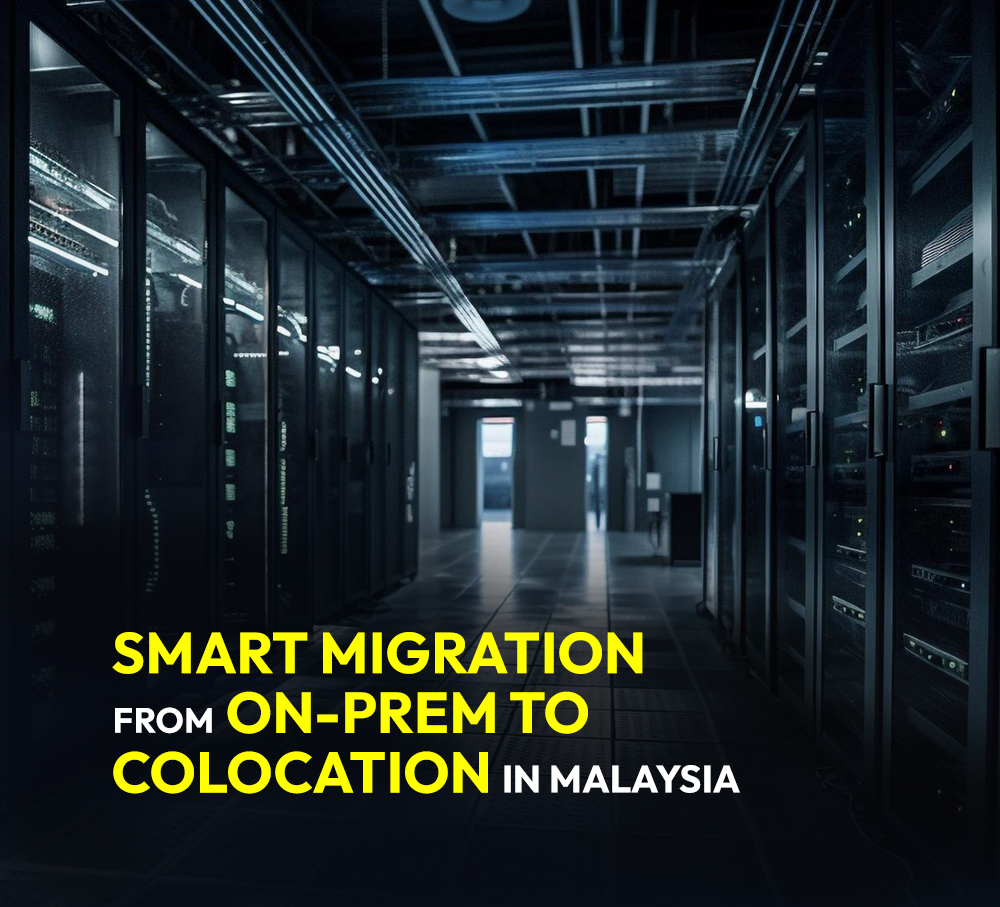
On-premise arrangements place servers and related equipment inside company facilities. Teams manage power, cooling, and upkeep directly. Colocation data centres operate differently. Organizations rent space and supporting services in dedicated professional facilities. These sites deliver consistent reliability and room to expand.
The move toward colocation offers Malaysian enterprises a practical path. It helps control expenses, improves system performance, and contributes to national digital objectives.
The following sections cover the main elements of this shift. They include current conditions in Malaysia, a detailed migration process, resulting advantages, selected examples, and the part played by DCCI Malaysia.
Overview of On-Prem to Colocation Migration in Malaysia
A large number of Malaysian companies still keep workloads inside their own enterprise data centres. These internal setups provided control in the past. Recent patterns, however, point to a clear movement toward colocation. Cloud services gain wider use while data volumes increase steadily. Firms seek efficient ways to manage both without repeated internal investments.
Several factors support this direction. Government programmes such as MyDIGITAL supply direction and incentives. Global operators also enter the market. Together these elements increase interest in colocation data centres.
Facilities built to Tier III standards stand out in locations such as Cyberjaya and Johor. They provide dependable uptime and strong network links. Companies gain access to modern infrastructure without the full cost of ownership.
Migration often begins with applications that do not form the core of daily operations. This sequence allows testing before critical systems move. Across Southeast Asia, colocation holds the biggest portion of revenue and shows steady yearly increases.
Traditional on-premise operations bring repeated demands. Maintenance requires ongoing attention, and power expenses tend to climb. Capacity increases call for new capital that locks resources in place. Colocation data centres address many of these issues. They supply adjustable capacity that can grow in line with actual needs while organisations retain oversight of their information.
Step-by-Step Guide to Smart Migration
A well-managed transition from on-premise systems to colocation follows clear stages. Attention at each point limits interruptions and supports steady progress.
Assessment Phase
Teams begin by examining existing workloads thoroughly. They map connections between applications, data movement, and current hardware. This review identifies which elements carry a higher risk and which can shift more easily. It also clarifies compliance needs and potential points of failure. External specialists often assist to bringing an independent perspective.
Planning and Strategy
Provider selection comes next. Choices rest on site location, available capacity, and service quality. A hybrid model frequently fits best, with some workloads remaining on-premise while others move. Timelines align with business operations to avoid peak periods. A clear cloud migration strategy sets priorities and milestones. It also covers legacy to cloud migration steps, so all parties understand the sequence.
Data Transfer Best Practices
Secure methods move the information. Encryption protects content during transit, and private connections limit exposure. Small batches undergo testing first to detect issues. All steps observe Malaysian data regulations on privacy and location. Parallel operation of old and new systems keeps services running without a break.
Testing and Go-Live
Pilot tests run before complete rollout. Performance measurements confirm applications operate as expected in the new setting. Plans for reversal stay prepared. Once results meet targets, the live phase proceeds in measured stages. Monitoring starts immediately and continues without gaps.
Optimization Post-Migration
Attention shifts to ongoing improvement. Regular reviews track usage and spot savings. Adjustments keep costs in balance and capacity matched to demand. Incremental scaling supports growth without sudden jumps.
Impact on Malaysia’s Enterprise and Economic Growth
The shift produces measurable effects for companies and the national economy. Capital spending decreases because large hardware purchases give way to regular operating costs. Facilities that follow energy-efficient designs also match Malaysia’s sustainability aims and reduce overall consumption.
System performance gains strength. Higher uptime levels result from built-in redundancy. Recovery after incidents becomes more straightforward with nearby backup options. Modern setups handle demanding artificial intelligence and cloud tasks more effectively than many older internal arrangements.
Enterprises see practical gains. Teams spend less time on routine upkeep and more on new initiatives. Faster rollout of services benefits finance, retail, and other active sectors. The improved environment also draws additional investment from outside.
At the country level, the advantages extend. Employment opportunities arise in technical and operational roles linked to data centres. Inward investment increases as operators expand. Malaysia reinforces its standing among ASEAN nations through these developments.
Risks exist, particularly with data protection during the move. Step-by-step approaches and selection of established providers help manage them. Professional operators apply recognized standards that support secure transitions.
Future conditions look favorable. Malaysian businesses stand to gain greater regional strength. Continued expansion of the colocation segment should sustain broader digital progress.
Real-World Examples and Case Studies
Banks and other organizations in Malaysia have moved selected operations to colocation data centres located in Cyberjaya. These changes improved capacity handling and lowered day-to-day management demands.
Comparable actions by companies in neighboring countries delivered rapid benefits. Service interruptions fell once workloads reached professional sites.
Observed outcomes include lower overall costs, quicker introduction of updates, and more consistent delivery to users.
Success depends on detailed preparation and the selection of suitable partners.
Shape Malaysia’s Digital Infrastructure Future at DCCI 2026
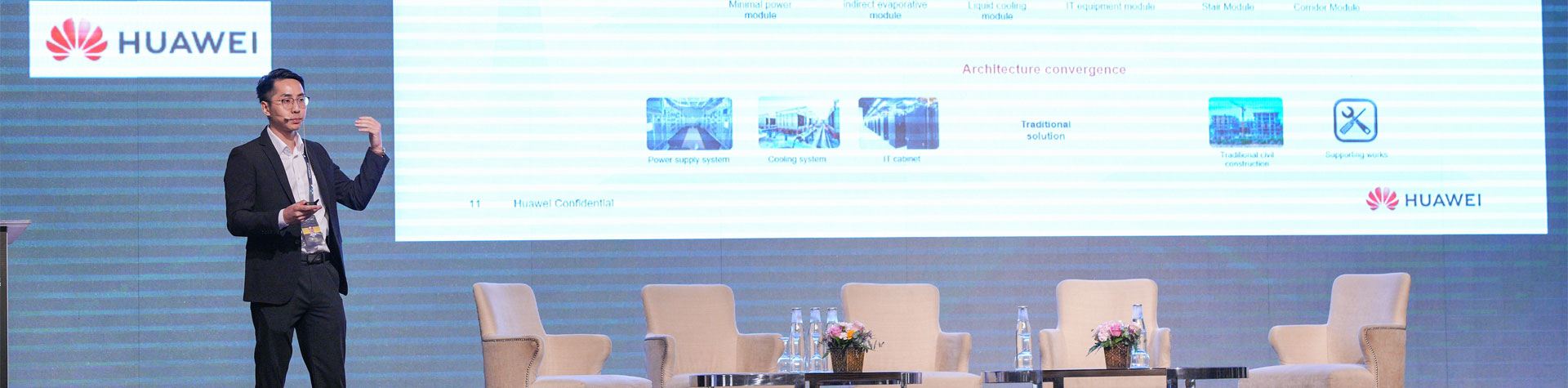
Datacentre & Cloud Infrastructure (DCCI) Expo 2026 gathers industry representatives, government officials, and technical specialists. Discussions will examine practical routes from traditional on-premise systems to advanced colocation data centres. Sessions address real cloud migration strategy cases and challenges tied to legacy to cloud migration in the Malaysian setting.
Participants can review developments in enterprise data centres and consider approaches that support lasting expansion. The gathering supplies a setting to exchange observations and build clearer plans for individual organizations. Participation at DCCI 2026 allows Malaysian enterprises to take an active part in forming the digital foundation needed for the coming years.