
Malaysia is rapidly emerging as the preferred destination for digital infrastructure investments in ASEAN, as enterprises and cloud providers seek greater capacity, resilience, and operational cost efficiency beyond existing locations.
The country’s advantageous geographic position, competitive costs, supportive policy environment, and growing technical workforce makes it a practical and increasingly attractive choice for cloud and colocation operators expanding across Southeast Asia. Due to a strong combination of such strengths, the country has become a strategic consideration in regional datacentre planning, increasingly appearing in deployment strategies, disaster recovery frameworks, and latency-sensitive workload discussions.
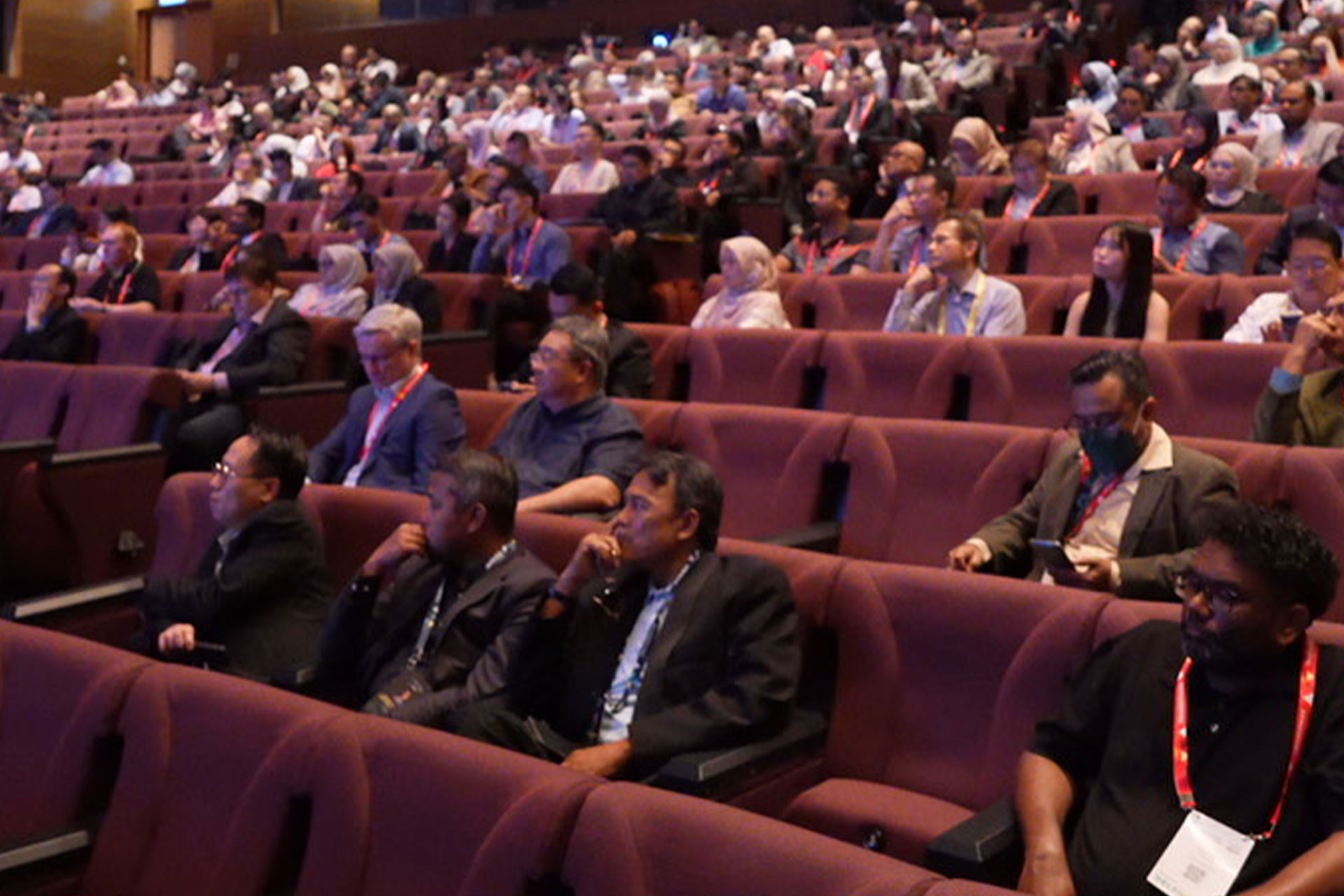
Malaysia’s rise as ASEAN’s datacentre hub is further strengthened by platforms like Digital Infrastructure Expos Malaysia, where operators, policymakers, and technology leaders come together to address real-world challenges and explore operational best practices.
These engagements reflect strong market demand, supportive government policies, and a steadily maturing ecosystem – reinforcing Malaysia’s position as one of the region’s leading digital infrastructure destinations.
The factors outlined below highlight why Malaysia continues to attract sustained interest from hyperscalers, cloud providers, and enterprise investors alike.
A. Strategic Location & Connectivity
Malaysia’s geographic position provides a strong foundation for regional digital infrastructure growth. Located at the heart of Southeast Asia, the country offers close proximity to key ASEAN markets while also maintaining strong connections to global networks.
Key advantages:
From a risk perspective, Malaysia benefits from comparatively lower exposure to natural disasters such as earthquakes and typhoons, particularly in the in-land and peninsular locations.
Such relative stability supports long-term infrastructure investments that prioritize uptime, insurance stability, and predictable operational planning.
Johor’s land availability and proximity to Singapore makes it a pragmatic choice for hyperscalers and enterprise investors seeking scalable capacity near Singapore but with lower land and utility costs.
Johor-based developments typically serve as:
Malaysia’s public sector plays an active role in advancing digital infrastructure growth through coordinated policies, targeted incentives, and regulatory clarity.
Federal and state authorities recognize datacentres as critical enablers of economic digitalization and regional competitiveness.
National digitalization strategies position data capacity and connectivity as core economic enablers.
Targeted state-level initiatives – particularly in Johor and Penang – provide support through land allocation, utility access, and streamlined regulatory processes for large-scale facilities.
Data protection and cross-border data flow regulations are evolving towards international norms, giving multinational tenants confidence in compliance and governance.
Additionally, clear and transparent permitting pathways help reduce time-to-market for greenfield developments.
Land scarcity, power limitations, and rising operating costs in Singapore are prompting enterprises and hyperscalers to evaluate expansion options beyond the city-state.
Malaysia – particularly Johor – presents exactly the logical extension strategy, enabling operators to scale capacity while maintaining close operational, network, and customer ties to Singapore.
This cross-border dynamic therefore enables organizations to balance cost efficiency with performance requirements, preserve low-latency connectivity to Singapore-based users, and diversify infrastructure risk within a tightly integrated regional corridor.
Building on these advantages, Malaysia offers several enablers that support modern datacentre operations, as outlined below:
Modern datacentre investments depend on the availability of robust infrastructure along with credible sustainability pathways.
Malaysia is therefore advancing in both dimensions, though not without challenges that require careful planning.
Malaysia’s datacentre momentum is supported by strong market dynamics and a growing, skilled talent pool. Key demand drivers include cloud migration, data localization requirements, digital government initiatives, and the rising adoption of AI-driven workloads.
The expanding ecosystem of technology providers, hyperscalers, and enterprise operators further strengthens the market, creating opportunities for innovation, collaboration, and long-term capacity growth.
These factors are evident across several dimensions –
Amidst the surge of strong market growth, supportive policies, and a maturing digital infrastructure ecosystem, the Datacentre and Cloud Infrastructure (DCCI) summit in Malaysia offers a unique opportunity to engage directly with the visionaries and leaders shaping the future of the region’s datacentre landscape.
The event brings together policymakers, industry pioneers, technology vendors, operators, investors, and enterprise buyers to exchange practical insights and share real-world deployment experiences. Through Malaysia’s digital infrastructure expo, participants gain exposure to current projects, emerging technologies, and regulatory developments shaping the future of the datacentre market.
Attendees can expect discussions on data center Malaysia site selection, sustainability frameworks, and interconnection strategies, alongside peer-led case studies.
Some of the key topics curated in the agenda are as follows –
For organizations planning regional expansion or exploring hyperscale data centres in Malaysia, DCCI Malaysia offers direct access to the key decision-makers driving ASEAN’s digital infrastructure in Malaysia forward.
Event Details:
Date: 12 – 13 May, 2026
Venue: Kuala Lumpur Convention Centre
Don’t miss out – Register today!