

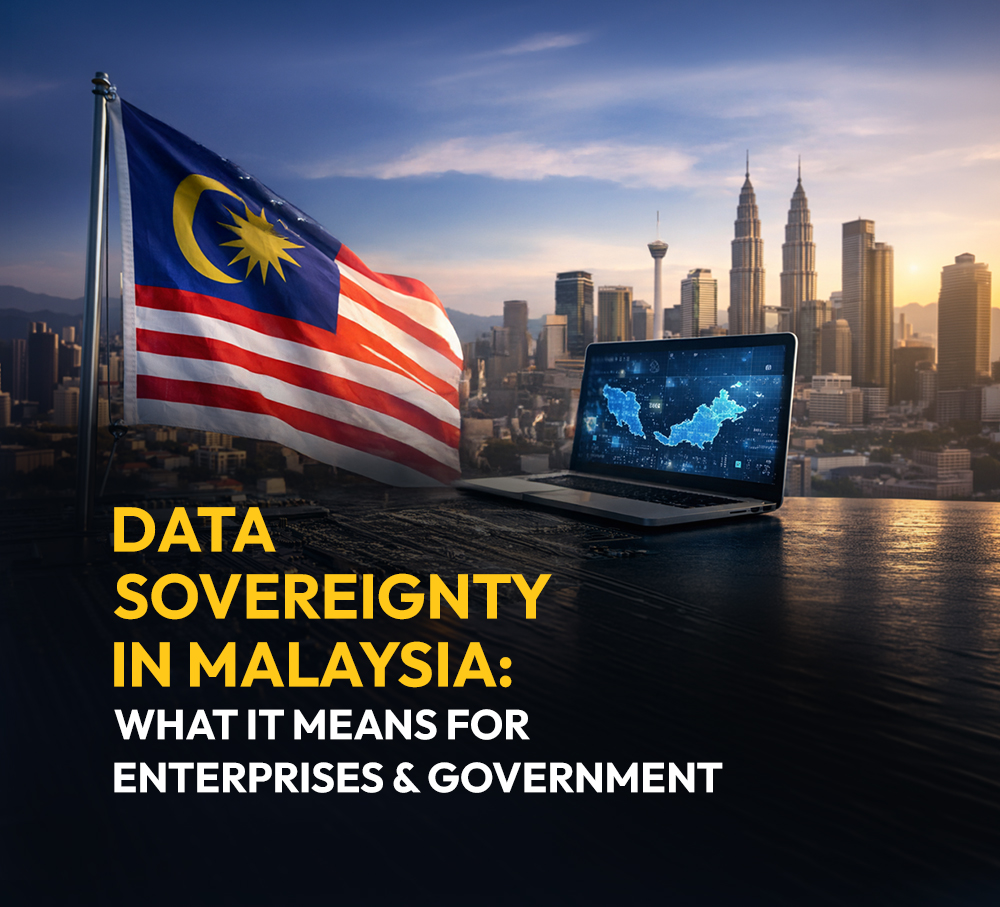
Data sovereignty means a country keeps full control over information created and held within its borders. Malaysia now treats this idea with real urgency as the country speeds up its digital growth. Companies and public sector groups need practical ways to protect important data while they keep moving forward. Updates to the Personal Data Protection Act and the National Cloud Computing Policy have turned these expectations into clear rules.
The situation carries real weight. Malaysia wants its digital sector to expand fast, but it cannot ignore security or local laws. Data sovereignty puts sensitive records under Malaysian rules and cuts exposure to outside legal systems. Businesses must review how they manage client details, payment records, and internal operations. Government departments deal with the same pressures to guard public records and back national goals.
Clear rules let groups stay on the right side of the law and avoid delays. This method builds both new ideas and confidence. Organisations that meet the standards strengthen ties with customers and avoid fines. At the same time, the government holds a firmer place in the connected global picture.
Leaders see data sovereignty as a building block for Malaysia’s future plans. The National Cloud Computing Policy from 2025 sorts data into levels and insists that sensitive material stays inside local sovereign cloud systems. This setup backs Malaysia’s digital economy and encourages homegrown data centres and secure cloud choices. It fits the wider aims of the Malaysia Digital Economy Blueprint, which looks for strong growth in digital GDP. Keeping vital data inside Malaysian control helps the country hold its edge in banking, health care, and government services.
Cyber risks keep changing and create new concerns about data stored overseas. People and firms now demand tighter privacy safeguards. Changes made to the Personal Data Protection Act through 2025 introduced mandatory breach reporting and data officers for larger organisations. Companies face closer checks on data compliance, above all when personal details cross borders.
Groups that follow data sovereignty rules pick up clear gains. Customers share information more freely and receive improved services. Businesses lower their legal exposure and gain stability when global problems hit. The government wins better security and steadier public operations. Taken together, these steps lay a solid base for digital transformation in Malaysia.
Enterprises in Malaysia respond to the Personal Data Protection Act and its rules on moving data across borders. No blanket data localisation rule applies to every piece of personal information, yet banks and telecom operators operate under tighter oversight by bodies such as Bank Negara Malaysia. Firms must designate data protection officers when required by law, report breaches without delay, and grant individuals the right to move their data. The National Cloud Computing Policy adds detail by sorting data types and requiring local handling for the more sensitive categories.
Many organisations find the cost and technical demands challenging when they undertake cloud migration in Malaysia. Legacy systems do not always fit smoothly with local sovereign clouds and the supply of trained people remains limited. Smaller players often lack time or money to run full risk checks on overseas transfers.
These rules shape routine tasks and major choices. Companies check cloud suppliers for data residency features and strong encryption. The change pushes many toward hybrid setups that mix open cloud speed with private or sovereign spaces for key work. The shift lifts overall data handling and cuts the chance of outages.
Public agencies follow the Personal Data Protection Act, though some federal and state units hold limited exemptions for official records. The Cyber Security Act 2024 and the Data Sharing Act 2025 set extra standards for guarding critical systems and sharing information safely between departments. The National Cloud Computing Policy spells out that confidential government data belongs in Malaysia-based sovereign clouds.
Agencies start by sorting their data according to sensitivity and moving suitable workloads to approved local providers. Key tasks include naming data protection officers, running regular checks, and growing in-house knowledge of cloud rules. Training sessions help staff grasp breach reporting and data portability duties. Work across ministries keeps standards even while public services turn more digital. These actions preserve public confidence and keep operations running without breaks.
The first move is to compile a complete list of all data holdings, matched against current rules. Teams spot material that must stay local and trace any flows that cross borders. A gap review shows where data compliance needs fixing. Written plans then set out deadlines and who handles each part of the work.
Picking suitable systems matters most. Many groups choose hybrid or multi-cloud arrangements that reserve sovereign options for protected data. Local centres and certified suppliers meet data localisation needs and still deliver good speed. Encryption, tight access rules, and constant monitoring become standard parts of the design.
Clear policies and day-to-day procedures hold everything together. Teams receive regular training, conduct internal reviews, and keep response plans ready for problems. Data protection officers lead these efforts and deal with regulators when needed.
Vendors require careful review. Suppliers need to prove they operate locally, hold proper certificates, and can deliver sovereign cloud features. Agreements spell out exactly who manages data and allow audits. Steady ties with dependable local or nearby partners cut risks and make daily work simpler.
Malaysian companies can maintain data sovereignty and still enjoy modern cloud advantages. Sovereign cloud setups let them control sensitive records while using flexible, lower-cost platforms for routine tasks. This route supports secure cloud migration in Malaysia and opens the door to fresh work in artificial intelligence and data analysis.
Growth in local data centres brings jobs and draws investment that lifts Malaysia’s digital economy. Firms reach advanced tools that already satisfy national rules, so they develop products quicker and serve customers better. Government programmes link public and private players to create stronger systems.
Technology will keep changing, yet data sovereignty stays central. Further policy updates and new infrastructure will help Malaysia become a trusted digital centre for the region. Groups that choose their investments with care now will handle future needs more easily.
The Datacentre and Cloud Infrastructure (DCCI) Expo, also called DCCI Malaysia, gathers policymakers, technology suppliers, and sector specialists to discuss practical solutions. Attendees can examine sovereign cloud choices, see current compliance tools, and meet others who handle the same issues. Talks share actual examples of data localisation, safe cloud migration in Malaysia, and ways to support digital transformation in Malaysia. This event gives direct access to ideas that sharpen approaches for both companies and government units. It works as a useful meeting point for forming alliances and keeping up with rule changes in a dynamic field.