
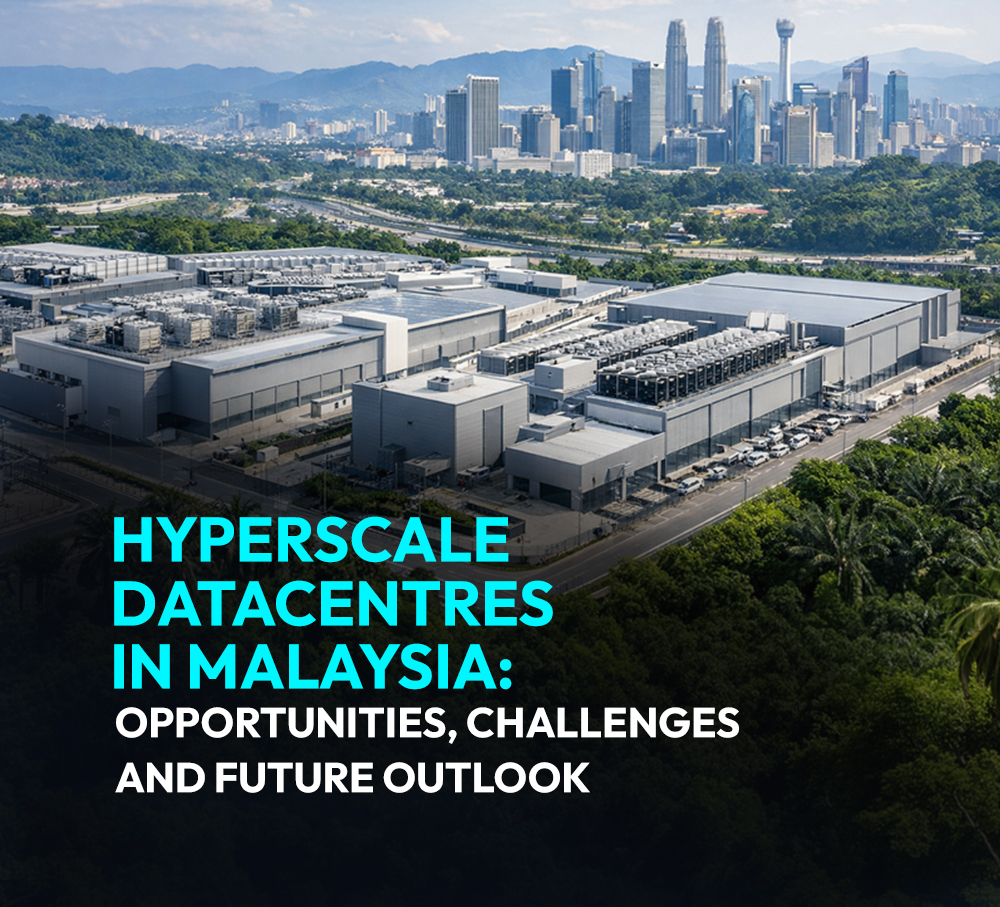
Malaysia has become a notable choice for advanced digital infrastructure across Southeast Asia. Demand for hyperscale data centres in Malaysia stems from the fast rise in cloud services, artificial intelligence workloads, and large-volume data storage needs. These large facilities stand apart from ordinary data centers because they handle capacity in the hundreds of megawatts to support global technology firms and expanding local companies.
Clear government steps and a location near key submarine cable points have pulled in steady investment. Lower costs for land plus steady progress on power networks give Malaysia an edge over some crowded regional options. Expansion still needs careful handling of real limits on resources.
This discussion reviews the present state of data centres in Malaysia. It sets out the gains for the economy, the main barriers during development, and workable steps to manage them. It closes with a grounded view of what comes next. The points rest on clear trends that explain why hyperscale data centres in Malaysia hold real weight for the coming years.
The hyperscale data centres in Malaysian sector have moved forward at a solid pace. Approved projects from 2021 through 2025 brought in investments worth tens of billions of ringgit. Operational capacity climbed from a limited base to several hundred megawatts. Johor and the Klang Valley account for most activity, helped by their closeness to Singapore and existing network ties.
A few core elements drive the increase. Worldwide needs for artificial intelligence and cloud capacity call for dependable, high-volume sites. Malaysia supplies competitive power rates, available plots of land, and targeted support through investment schemes. Several large technology groups have committed funds to new or extended facilities, which speeds up readiness for AI systems. Submarine cables add reliable links for both regional and global data flows.
Malaysian Datacentres ties directly into plans for wider digital progress. It lets local sectors shift to cloud tools more easily, strengthens data control within borders, and builds a base for tech-based services. Foreign funding also helps shift the economy away from older industries. Officials treat these sites as vital for making Malaysia a stronger digital player in the area.
Hyperscale data centres in Malaysia draw meaningful foreign direct investment. The projects create spending on building work, engineering services, and connected areas. Supply chains for cooling units, power gear, and modular parts also gain. Performance-linked tax measures bring in more capital and add to public income over time.
Local and international firms receive ready access to up-to-date facilities. Data centers deliver low-delay support for banking, online commerce, and public sector systems. Scalable space, solid security, and hybrid cloud choices cut initial spending and help projects move faster.
Future demand for high-density computing will keep rising with artificial intelligence. Malaysia can secure a bigger share by adding sites that match global benchmarks. Policy backing and ongoing infrastructure work set the stage for handling more regional traffic in the decade ahead.
The results reach past the sites and lift the wider operating climate.
Power availability forms the biggest limit. Grid operators work hard to balance extra load while keeping service steady for everyone. Cooling water brings further pressure, above all in busy zones. Recent price changes have lifted running expenses, and connection schedules sometimes push back start dates.
Review steps now and apply tighter checks on environmental fit and national goals. Some non-AI proposals meet longer delays or hold-ups in certain states. Teams must follow fresh rules on energy use and impact, which add to compliance costs.
Experts with the right skills stay scarce for tasks in site control, dense cooling, and network handling. Training efforts grow but construction speed still outruns the supply of new graduates. Equipment and parts from abroad can arrive late, which raises total project figures.
Teams turn to modular builds that cut construction periods and support step-by-step growth. Liquid cooling plus improved airflow lower energy scores. Sites near renewable options, including solar, aid efficiency targets. Early talks with power suppliers help set practical supply plans.
Joint efforts among agencies, utilities, and builders improve results. Shared grid upgrades and common facilities ease pressure points. National schemes reward projects that hit set marks on energy and water. Regular industry meetings spread workable ideas and common standards.
Such actions keep timelines and budgets in line while backing national efficiency aims.
Capacity may climb toward several gigawatts in the next five to ten years if trends hold and grid work advances. Attention on sustainable data centres in Malaysia will sharpen through wider renewable use and firmer efficiency standards.
The country can grow into a steady choice beside tighter markets elsewhere. Real progress hinges on prompt infrastructure gains, skill building, and measured policy choices. When these line up, hyperscale data centres in Malaysia will add steady value and meet both economic and green needs. Operations will shift toward denser yet cleaner designs for local and cross-border use.
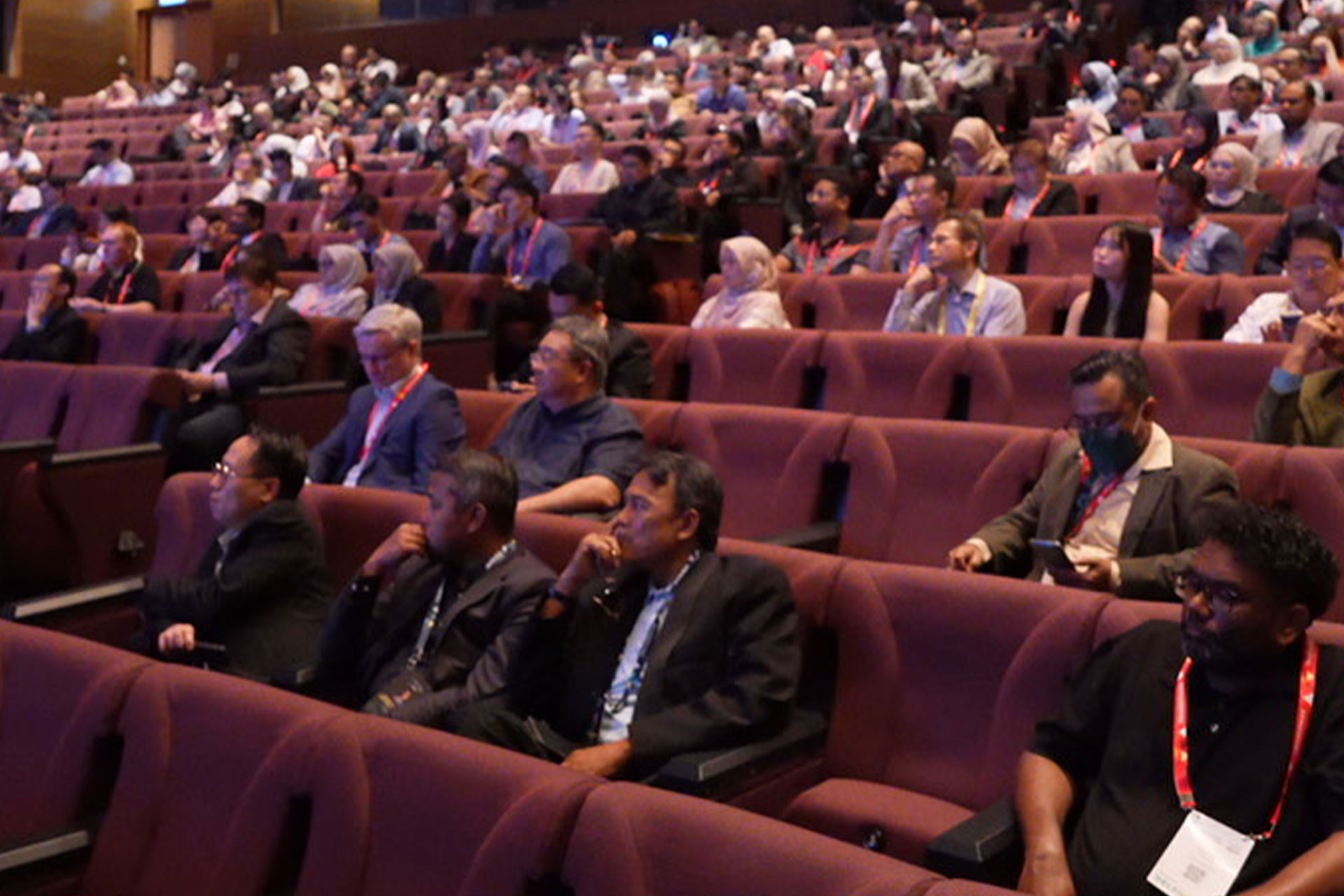
The Datacentre and Cloud Infrastructure (DCCI) Expo, also called as DCCI Malaysia, brings an ideal platform to examine the current hyperscale datacentre landscape. Set for May 2026 in Kuala Lumpur, the gathering assembles DC & Cloud operators, solution providers, government officials, and senior professionals from the private sector. Participants review and explore current tools for power handling, cooling methods, and green design.
Sessions are focused on applied tactics for Malaysian data centre progress. Networking sessions link people with contacts who address diverse datacentre requirements. The event provides targeted views from those spearheading hyperscale data centres in Malaysia.