
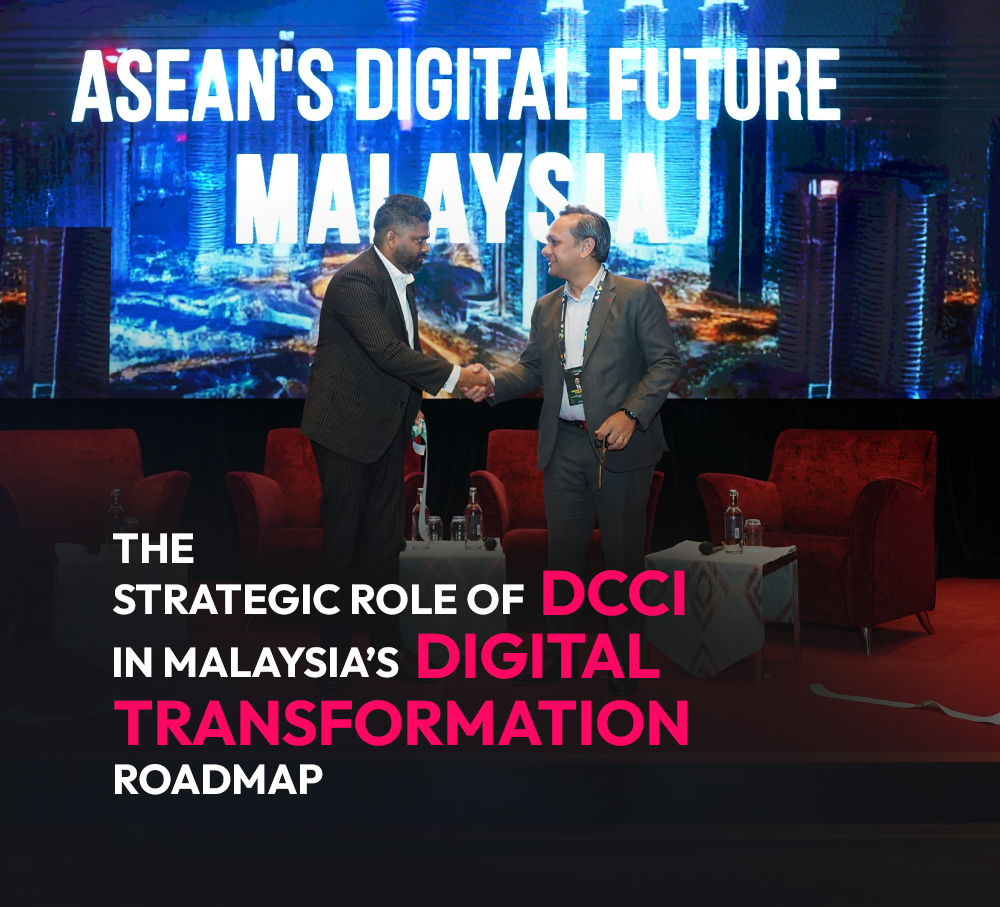
Malaysia is working to become a major force in the digital economy. The government introduced a national roadmap years ago and continues to match business realities and citizen needs. At the centre of that plan sits strong digital infrastructure, especially data centres and cloud services that power government services, enterprise systems, and AI-driven apps. The Datacentre & Cloud Infrastructure Expo, or DCCI Malaysia, gathers the investors, operators, policymakers, and tech experts behind these systems to share insights and address challenges.
For data centre investors in Malaysia, the event demonstrates how policy translates into projects. The sector is projected to grow from around $4 billion in 2024 to more than $13 billion by 2030, with cloud services following similar growth. Global giants and challenger brands who pay heed to datacenter investment in Malaysia and cloud investment in Malaysia, DCCI provides a platform to engage with regulators, partners, and stakeholders from the leading public & private enterprises. This article also outlines how the expo supports the national roadmap and why it matters for anyone focused on data center in Malaysia.
The MyDIGITAL blueprint, launched in 2021, targets the digital economy to 22.6% of GDP and creates half a million new jobs. Implementation follows phased milestones. The current phase focuses on inclusive digital growth and SME enablement. From 2026 onward, priorities shift to making Malaysia a leader in digital content and cybersecurity. Recent steps include the National Cloud Computing Policy and plans for a Sovereign AI Cloud.
Demand is rising fast. AI, e-commerce, and digital government services need reliable, scalable capacity. Johor has become a hotspot, moving from 1.6 gigawatts of capacity in 2024 toward more than 5 gigawatts by 2035. Global players have already committed billions, and local approvals for data centre projects reached RM144 billion between 2021 and mid-2025. The country offers renewable energy options, land at reasonable prices, and direct submarine cable links. These factors make datacenter investment in Malaysia attractive, unlike some neighboring countries, where overcrowding is seen.
Talent, power, and clear rules sit at the base. Universities and training programmes are turning out more ICT graduates each year. Power purchase agreements for solar and hydro are now standard. The Malaysian Investment Development Authority and the Ministry of Digital keep streamlining approvals. Together, these pieces create the foundation that lets cloud investment in Malaysia move forward at speed.
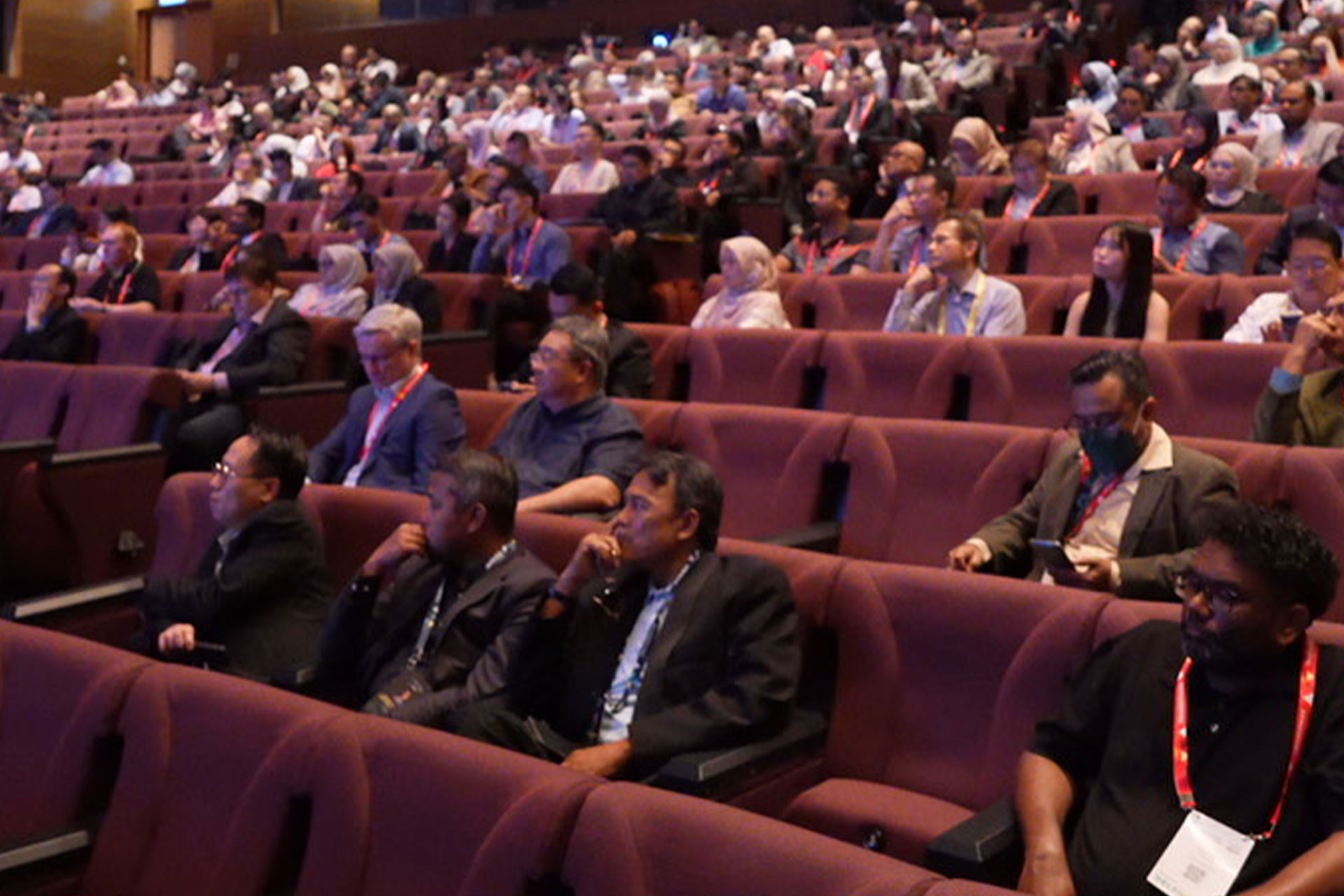
DCCI Malaysia’s 2026 edition will take place on 12 and 13 May at the Kuala Lumpur Convention Centre. It connects over 2,000 decision-makers with solutions for building and operating digital infrastructure. Topics revolve around hyperscale facilities, cloud migration, cooling systems, and security. Government representatives from MDEC, PLANMalaysia, CIDB Malaysia and many others will join to translate strategy into implementation and upgrade the nation’s digital posture. For operators and data centre investors in Malaysia, it serves as a focused industry forum.
The expo facilitates direct discussion between regulators and operators. Officials from the Personal Data Protection Department and Cybersecurity Malaysia address compliance updates and incentives. Participants gain clarity on operational implications. This engagement helps data center projects in Malaysia stay on the right side of policy while moving quickly.
DCCI Malaysia brings together hyperscalers, local operators, renewable energy providers, and all stakeholders. Pre-qualified buyers with budgets in hand meet solution providers who can deliver cooling systems or security software. These face-to-face meetings speed up deals that might otherwise take months of emails. The result is a faster rollout of the infrastructure Malaysia needs for its digital goals.
Keynotes, fireside chats and panels share practical lessons from operational projects in Johor and Cyberjaya. Experts showcase monitoring tools and energy management systems. Professionals gain applied knowledge that strengthens operational standards across the sector.
Cyber threats keep growing. Malaysia addresses practical approaches to safeguarding data and maintaining uptime. Experts from cybersecurity in Malaysia and international organisations present frameworks aligned with domestic and global standards. Investors learn cost-effective strategies for redundancy and compliance, reinforcing trust in cloud investment in Malaysia.
Power and water use remain big topics. The expo highlights improvements in Power Usage Effectiveness through AI-driven cooling and reclaimed water systems. Representatives from the Malaysian Green Technology Corporation discuss renewable energy contracting aligned with national targets. Case studies demonstrate carbon reduction alongside cost control. Modular designs and automation tools also enable phased expansion aligned with demand.
Malaysia’s central ASEAN location strengthens its regional role. DCCI Malaysia reinforces the country’s position as a cost-effective alternative to Singapore for scalable infrastructure. Visitors from Indonesia, Thailand, and Vietnam view Malaysia as a stable base for regional operations. Government presentations emphasise efficient approvals and access to renewable energy. International analysts observe evidence of both hyperscale and edge-deployment capabilities. This exposure supports board-level confidence among data centre investors in Malaysia and strengthens the country’s standing in ASEAN digital trade discussions.
The market is still young and growing fast. Land is available in several corridors, renewable energy projects are coming online, and incentives remain open for projects that create local jobs. AI workloads are creating fresh demand that traditional markets cannot absorb alone. These factors open clear doors for cloud investment in Malaysia and new entrants who move now.
Grid capacity in some areas is tight. Water for cooling requires careful management, and skilled workers remain in short supply for advanced operations. Construction timelines can stretch if supply chains hit delays. These issues are real, and investors watch them closely.
Although not a policymaking body, DCCI Malaysia provides a platform to address these constraints collaboratively. Technical sessions present efficiency improvements in energy and cooling. Industry dialogues connect operators with experienced vendors. Policymakers receive immediate feedback from active developers. This engagement converts challenges into coordinated action items shared across the ecosystem.
Come with clear questions about power, permits, or partners. Leave with contacts who can answer them. Focus on sessions that match your next project phase. Use the event to test ideas before committing capital. For anyone involved in datacenter investment in Malaysia, this approach turns a two-day visit into months of progress.
DCCI Malaysia does not design national policy, but it strengthens execution. It links the high-level national goals to the daily decisions made by engineers and investors. By bringing everyone into one room, it speeds up the rollout of the infrastructure Malaysia needs to compete regionally. The 2026 edition at the Kuala Lumpur Convention Centre is the practical next step for anyone who wants to play a part in that story.